Government PLI Scheme For Solar PV Modules: Benefits, Eligibility & Impact

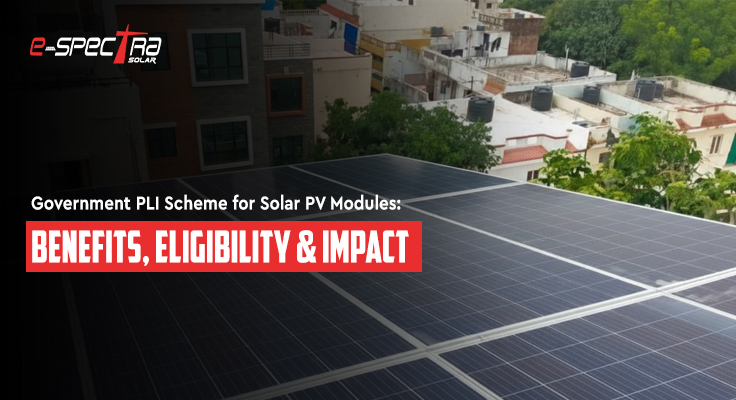
The whole idea of India becoming a "solar superpower" isn't just about giant solar farms in the desert; it's about the factory down the road making the actual glass and cells. For a long time, the biggest hurdle for companies was that we were importing almost everything, which kept costs high and supply lines shaky.
This is exactly where the government PLI scheme for solar PV modules steps in; it is essentially a multi-billion-rupee "thank you" from the government to manufacturers who set up shop on Indian soil. If you've ever wondered why the solar PV module PLI scheme is such a massive deal in the industry, it's because it bridges the gap between wanting to go green and actually having the local hardware to do it.
Understanding the PLI scheme for solar manufacturing is honestly a bit like looking under the hood of a car before you buy it. You might be a homeowner looking at a solar system for home price or a factory owner wanting to slash overheads, but either way, the source of your panels matters.
The solar PLI scheme in India is pushing for a future where every part of the module, from the polysilicon to the final frame, is "Made in India." If you want to get a head start on what these factories are actually churning out, you can read our blog on what are the major solar panel components and their functions to see how high-tech these local modules really are.
What’s the Big Deal With The Production-Linked Incentive Scheme For Solar?
Let’s be real, most government policies sound like a cure for insomnia, but the production-linked incentive scheme for solar is actually quite simple in its logic. Instead of just giving a company money and hoping they build a factory, the government says, "Go build it, start selling, and for every efficient module you produce, we’ll give you a cash incentive."
The MNRE PLI scheme for solar PV is basically a performance-based reward system. With over ₹24,000 crore on the table across two rounds (or tranches), the stakes are incredibly high for the big players.
The primary objectives of the solar PLI scheme are twofold: cut down on imports and create a massive number of jobs. We are talking about 65 GW of manufacturing capacity, which is enough to power millions of homes. This isn’t just for show; the government incentive for solar manufacturing is specifically designed to favour "high-efficiency" modules.
So, factories are competing to make the best tech possible to get a bigger slice of the pie. It’s similar to how we help families decide between annual vs. monthly solar maintenance plans: which one is better for you?—It’s all about long-term performance over short-term savings.
How The Benefits Of The Solar PLI Scheme Actually Reach Your Roof?

You might be thinking, "Cool, big factories get money, but how does that help me?" Well, the benefits of the solar PLI scheme eventually show up in your final quote. When modules are made locally, the "hidden costs" like international shipping, customs duties, and currency fluctuations start to disappear.
This makes commercial solar rooftop systems much more viable for businesses that need to plan their budgets for years. Plus, having a local manufacturer means that if something goes wrong, the warranty isn't halfway across the world.
How the PLI scheme supports solar industry growth is by creating a whole neighbourhood of support businesses. A solar module needs special glass, aluminium frames, and junction boxes. The government incentive for solar manufacturing encourages these smaller "ancillary" industries to grow, too.
This leads to better quality control across the board. If you're wondering how this affects the life of your system, check out the long-term maintenance benefits of solar panels to see why starting with high-quality, local components is a game changer for your bank account.
Who Gets to Play? The Solar Manufacturing Policy in India and Its Rules
The solar manufacturing policy in India isn't for everyone; it’s a heavyweight competition. To qualify for the solar PLI scheme in India, a company has to build at least a 1,000 MW (1 GW) capacity plant. They also have to show integration, which is a fancy way of saying they need to make the raw materials and the final product in the same ecosystem. This is what the MNRE PLI scheme for solar PV calls "fully integrated" manufacturing, and it’s what will make India truly independent in the energy sector.
Right now, we are in the middle of Tranche-II, which is significantly larger than the first round. The government is vetting these companies to make sure they aren't just taking shortcuts. It’s a bit like why we tell homeowners to watch out for 5 mistakes to avoid when buying solar panels for your home; if you don't do the background check, you end up with a mess.
The PLI scheme is basically the government doing that background check on a national level to ensure the solar system for the home price you pay actually gets you a world-class product.
The Impact: How PLI Scheme Supports the Solar Industry in the Real World
Is all this money actually changing anything? Absolutely. Before the solar manufacturing policy in India kicked in, our local capacity was tiny. Now, we are seeing giant names in the Indian industry setting up gigafactories that rival anything in Europe or Asia. This massive scale is what eventually brings down the solar system for the average family in a tier-2 or tier-3 city. It turns solar from a "luxury" into a standard household utility.
For businesses looking at commercial solar rooftop systems, the PLI scheme ensures a steady supply of high-wattage modules that take up less roof space while producing more power. If you want to see how this translates into actual numbers, our case study: industrial solar panel installation cost breakdown gives a very clear picture of the ROI. When the hardware is local and the quality is high, the break-even point comes much faster.
Why Spectra Solar Power is Your Best Bet in This New Era

At Spectra Solar Power, we have been in this for over 15 years, so we’ve seen these policies come and go. We aren't the ones building the factories, but we are the experts who know which PLI-backed manufacturers are actually delivering on their promises.
We are considered a top solar company in India because we do the hard work of selecting the best panels, so you don't have to be an engineer to get it right. We also help you navigate the confusing world of state-wise solar subsidies and other Government Subsidies for Solar.
Our approach is simple: we look at your roof, your bill, and your budget, and then we recommend a system that actually makes sense. Whether it's a small residential solar setup or complex commercial solar rooftop systems, we handle everything from the initial design to the final net metering approval.
We even provide dedicated solar panel maintenance services to make sure those high-tech panels stay clean and productive. If you're still confused about the paperwork, our guide on how to apply for net metering in India: state wise explanation is a great place to start.
The government PLI scheme for solar PV modules is the reason why solar is finally becoming affordable and reliable for the masses. It's not just a policy; it's a foundation for a country that generates its own power.
At Spectra Solar Power, we’re proud to be the bridge that brings this technology to your home or office. If you're curious about the bigger picture, read why solar energy is the future of india’s power needs and see why now is the perfect time to make the switch.
Divanshi Gupta


Share This Article


Ready to switch to solar?
Get a free site assessment and no-obligation proposal within 48 hours. Our team covers 100+ cities across India.
-
 Plot No. 2, Landmark Tower, 2nd Floor, South City-1, Ashok Marg, Gurugram, 122001, Haryana
 -

-

RELATED BLOGS