Difference Between Green Energy, Clean Energy, and Renewable Energy?

Walk into any manufacturing zone or commercial logistics centre right now, and you will hear a specific set of buzzwords bouncing around boardroom meetings. Factory owners, project heads, and compliance officers use terms like green, clean, and renewable as if they all mean the exact same thing.
They are not. Within the heavy engineering and industrial sectors, treating these independent energy classifications as interchangeable marketing concepts is a serious financial mistake.
-
The Financial Risk: Misjudging the underlying engineering of an on-site energy asset can completely compromise your long-term return on investment.
-
The Objective: To insulate a company against volatile utility tariffs and escalating peak-hour penalties, decisions must be based on hard data rather than glossy marketing brochures.
-
The Requirement: Technical teams must conduct a thorough analysis of how these power assets function, where their statutory definitions clash, and how they physically integrate with a facility's structural real estate.
Technical Definition of Green Energy vs Clean Energy vs Renewable Energy
Before allocating corporate capital for an on-site generation plant, an industrial engineering team must evaluate the physical mechanics of how different energy assets harvest power.
What is Renewable Energy? Everything You Need to Know
The dividing line between finite and renewable power is a matter of simple arithmetic: resource consumption speed versus natural recovery time. A generation source becomes truly renewable when its primary fuel source relies on self-sustaining planetary cycles that humans cannot exhaust or alter. Unlike managing coal yards or natural gas pipelines, where supply volatility dictates operational costs, these inputs have a permanent lifecycle with zero resource depletion risk.
For an industrial site evaluating a multi-megawatt capital project, procurement decisions break down into four actual machinery categories:
To pull power from daylight, you bolt down rows of silicon modules across a frame. When photons strike these semiconductor layers, they break atomic bonds to knock electrons loose, forcing a raw direct current (DC) loop down your copper busbars. On the wind side, the hardware relies on catching shifting air masses at high altitudes.
Towering turbine blades capture that kinetic flow to crank a heavy low-speed main shaft, which hits a gearbox to spin an internal generator fast enough to output grid-ready alternating current (AC).
If your factory sits on a unique thermal hotspot, the engineering changes completely. You drill deep production wells into subsurface rock formations to pump up high-pressure steam or superheated brine, using that intense geothermal heat to blast the blades of a heavy facility turbine.
For hydro configurations, the whole trick is harnessing fluid weight and gravity. You either trap water behind a high concrete retaining wall or divert a fast-flowing river channel into a penstock pipe, slamming that heavy volume directly into hydraulic impellers to drive your power shaft.
|
Understanding Solar Energy: When a plant undergoes a strict internal compliance audit, operations teams often have to answer a core baseline question: Is solar energy renewable or nonrenewable? The physical answer is unyielding; it is completely, permanently renewable. Photovoltaic installations draw utility from daytime solar radiation without altering, consuming, or depleting the star's nuclear mass, giving industrial facilities a highly stable fuel profile across a multi-decade operational timeline. |
What is Clean Energy? Environmental Impact and Carbon Footprint
Clean energy definitions skip the debate over where power originates and focus squarely on a plant's physical exhaust stack. Engineering teams classify a generation asset under this banner if its operational run time releases no carbon dioxide (CO2), greenhouse gases, or smog-inducing chemical particulates into the local air basin.
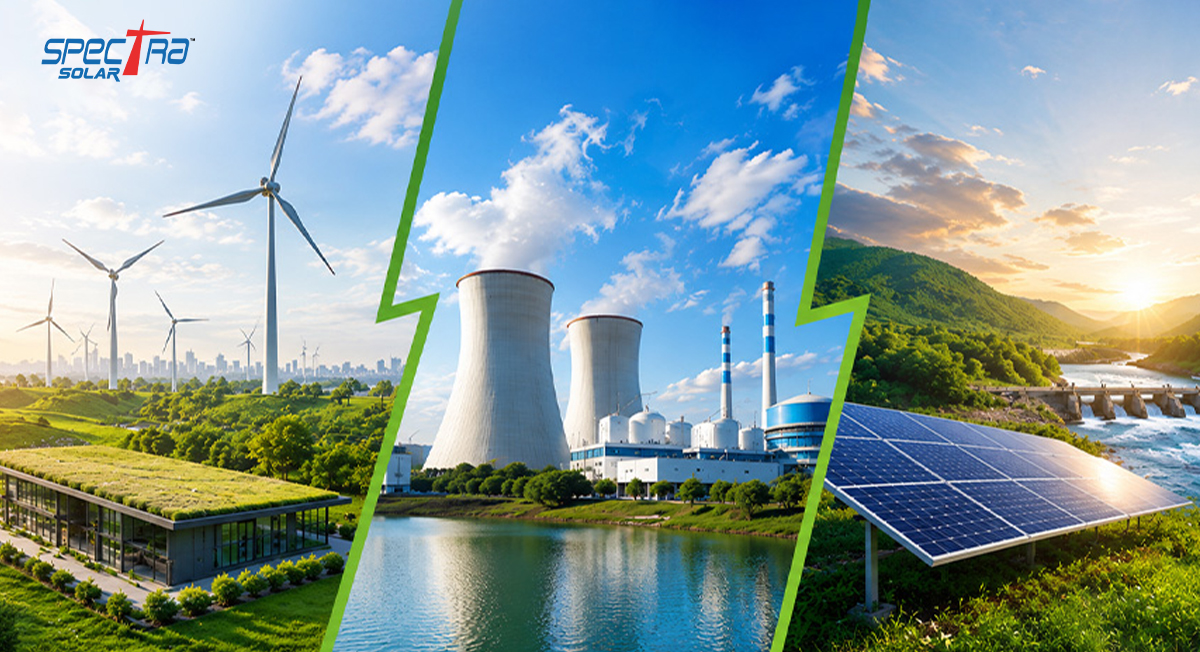
When analysing the question “what is clean energy”, treating it as an automatic synonym for eco-friendly infrastructure is a critical mistake. Consider the stark operational trade-offs of nuclear facilities. They deliver massive volumes of reliable, weather-independent baseload electricity with a zero-emission generation cycle. Yet, the backend realities of processing spent fuel rods and building deep subsurface containment vaults to isolate hazardous materials for millennia create an obvious friction point, disqualifying the technology from meeting the strict criteria of the next tier.
What Is Green Energy? Real-World Lifecycle and Ecological Benefits
Green energy shifts the goalposts by introducing a strict dual-threshold standard for statutory compliance and ESG auditing. To truly define what is green energy, a plant cannot just run on endless fuel; it must hit zero emissions and minimise its broader ecological disruption simultaneously.
This demands a deep lifecycle assessment covering every phase of the asset:
-
Mining and processing raw battery or panel elements.
-
Factory emissions during component manufacturing.
-
Site transport and construction footprint.
-
Active power generation cycles.
-
End-of-life recycling and module decommissioning.
This cradle-to-grave scrutiny marks the real functional intersection of clean and green energy. For high-output factories, it provides a functional playbook to secure massive electrical capacity while preserving the local water table, protecting regional wildlife habitats, and leaving local air quality completely unaffected.
Key Differences Between Clean and Green Energy for Businesses
To help financial controllers and facility directors quickly evaluate green energy vs clean energy parameters, the breakdown below highlights how technologies stack up across their full operational cycle:
|
Energy Type |
Endless Supply? |
Zero CO2 at Gen? |
Low Lifecycle Impact? |
Industrial Examples |
|
Renewable |
Yes |
Varies |
Varies |
On-site Solar PV, Large Hydro, Biomass |
|
Clean |
Varies |
Yes |
No |
Nuclear Power, Large-Scale Hydro Dams |
|
Green |
Yes |
Yes |
Yes |
Rooftop Solar Arrays, Micro-Hydro |
Point of Generation Output vs. Full Lifecycle Sustainability
Most clean energy standards are verified directly at the inverter or generation output. If the system creates electricity without producing a plume of exhaust smoke, it passes the clean audit.
Green energy requires a comprehensive Lifecycle Assessment. For instance, if a solar module or industrial battery relies on raw materials dug out through highly destructive mining practices that poison local river systems, its green status is severely compromised, even if the asset produces zero emissions once operational.
Raw Material Resource Extraction and Wildlife Habitat Disruption
The deep friction between clean power and green metrics becomes glaringly obvious when analysing massive infrastructure like utility-scale hydroelectric dams. These plants are undeniably renewable and churn out immense, steady baseload blocks without burning a single lump of coal or gas.
Yet, stringent environmental frameworks regularly refuse to label them green. Flooding vast valleys to form a reservoir can permanently submerge old-growth forests, severely alter downstream river chemistry, and force whole communities to displace. For a commercial enterprise wanting a stable, high-yield plant that hits the perfect equilibrium of clean and green energy, putting solar arrays right on your existing roof space offers the most accessible, low-friction path forward.
Commercial Solar Rooftop Systems: Overcoming Urban Grid Constraints
Achieving optimum efficiency with on-site clean power means aligning your technology choice with the hard geographic realities of your physical location.
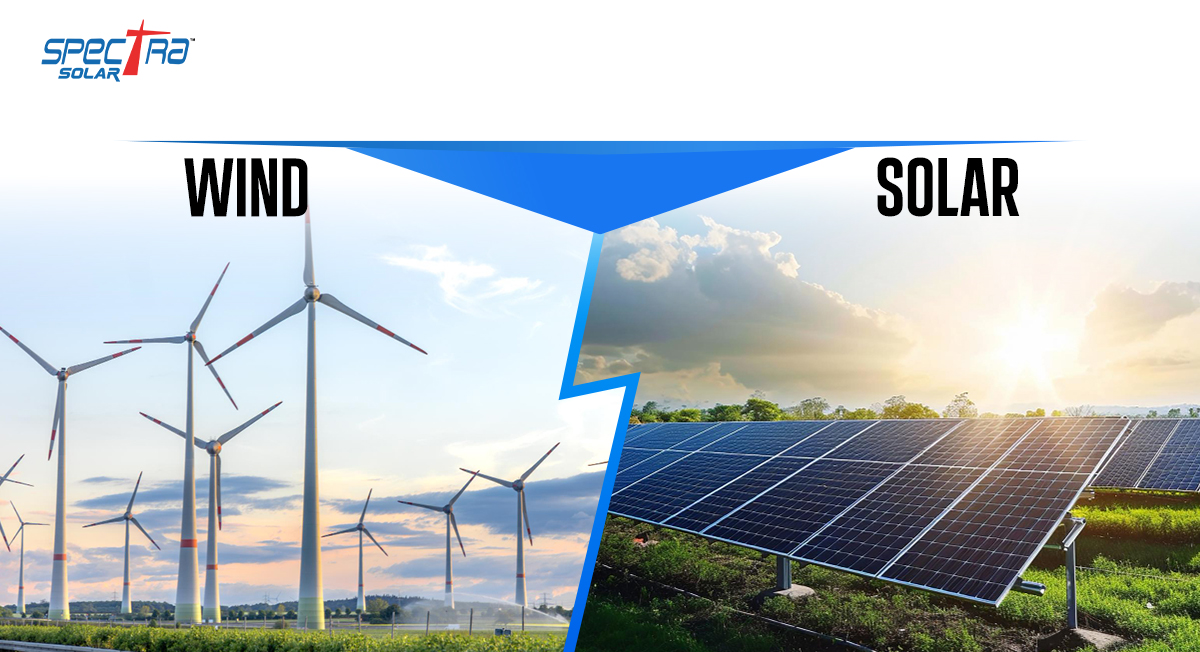
Manufacturing zones across dense belts like Gurugram, Lucknow, Pune, and Kanpur simply do not have the clearance for wind infrastructure. Surrounding infrastructure chokes the airflow, rendering small wind turbines useless due to constant turbulence.
-
The Wind Problem: Shoving wind infrastructure into a dense industrial layout is a recipe for mechanical failure. Surrounding a site with multi-story factory units, tall corporate office wings, and massive storage warehouses creates a physical wall that completely breaks up smooth airflows. Instead of a steady breeze, you get violent, swirling air pockets slamming into the hardware. Small-scale wind turbines cannot handle this chaotic turbulence; they constantly stall, burn through internal bearings, and drive up field maintenance costs without producing any meaningful power.
-
The Solar Solution: Switching the focus to commercial solar rooftop systems allows companies to harvest power from the exact footprint they already occupy. It rewrites the utility of dead roof space, slashing overhead grid costs without forcing the business to acquire a single extra acre of expensive land.
Instead of letting thousands of square metres of concrete or tin roofing sit idle and absorb ambient heat, this strategy transforms that unutilised area into a highly efficient power plant. It insulates your business from rising peak-hour commercial utility tariffs and lowers your overall operational overhead without complicating your balance sheet with costly land acquisitions.

Industrial vs Residential Solar Panels: Structural Engineering Differences
Transitioning a commercial facility to a self-sustaining power system requires an experienced engineering team to handle the design, component matching, and grid connection. Scaling a solar system looks completely different depending on the type of property you are working with.
Solar Panel for Residential Applications
When you are planning a solar panel for a residential use case, like a housing society or a corporate executive township, the core engineering hurdles are relatively small.
-
Key Focus Areas: Navigating limited roof space, making sure the setup looks clean, and avoiding shadows from nearby trees or structures.
-
Load Dynamics: These systems are designed for lower, highly predictable domestic loads and usually rely on basic net-metering setups to send any extra afternoon power back into the local low-voltage utility lines.
Solar Panels for Industries Scaling
Deploying solar panels for industries is a completely different ballgame.
-
Structural Demands: Deploying solar panels for industries requires heavy pre-construction vetting. Engineering teams have to run complex dead-load and wind-speed calculations to guarantee that a factory’s metal or concrete roof can bear the sheer weight of thousands of panels when subjected to severe monsoon gusts or high-velocity storms.
-
Electrical Demands: Running a multi-megawatt captive plant introduces unique power struggles. The electrical balance-of-system must withstand severe inductive surges and voltage spikes when massive machinery kicks on. Power delivery has to stay perfectly flat; even a split-second voltage dip can trip automated assembly lines, scramble CNC programming, and trigger massive financial losses from manufacturing downtime.
Partnering with the best solar EPC company in India ensures the entire system is ruggedised for these exact operational stresses. A top-tier Engineering, Procurement, and Construction (EPC) firm handles the heavy lifting—from initial 3D shadow mapping and structural rafter reinforcement to tracking down tier-one solar modules and pushing net-metering approvals through state distribution utilities. This turn-key execution transforms dead roof space into a high-performance asset that drops directly to your bottom line.
Conclusion: Driving Long-Term Value with a Unified Energy Strategy
Shifting a massive production house or commercial facility away from grid dependence is a core financial manoeuvre rather than a mere corporate green gesture. While mastering the distinct technical lines separating green, clean, and renewable parameters outlines your long-term roadmap, mapping that knowledge onto physical infrastructure demands deep engineering precision.
Calculating heavy structural wind loads, matching inverter capacities with reactive machinery startups, and navigating volatile state net-metering laws requires an execution team that builds for bottom-line utility.
As an experienced contractor handling large-scale engineering, procurement, and construction, Spectra Solar power builds and wires tailored rooftop installations designed to run as heavy commercial assets. The engineering crew handles the full layout from scratch.
They run physical stress calculations on concrete and metal warehouse rafters to figure out dead-weight limits, and they design the high-voltage switchyard and transformer setups needed to feed clean power straight into your plant's main distribution breakers without blowing your existing electrical infrastructure.
By selecting high-efficiency monocrystalline modules and stabilising local grid connection parameters, Spectra Solar Power turns empty industrial roof space into a predictable engine for low-cost electricity. Securing a tier-one EPC partner minimises active deployment risks, ensures ironclad policy compliance, and delivers a fast, measurable payback window on your capital outlays.
Technical Solar Energy Standards and Regulatory Frameworks
Project heads, compliance officers, and financial directors performing technical due diligence before clearing a capital budget can verify active benchmarks using these direct portals:
To track current grid connection targets, nationwide factory rooftop mandates, or central government capital subsidies, go straight to the regulatory data hosted by the central Ministry of New and Renewable Energy (MNRE). For evaluating actual roof layouts, multi-megawatt factory load profiles, and electrical balance-of-system schematics for heavy production setups, review the structural blueprints in the Spectra Solar Power Industrial Framework.
For a practical operational checklist detailing financial bankability metrics, safety tracking logs, and performance ratio guarantees during vendor selection, see the Spectra Solar Guide to Choosing the Right Solar EPC in India. Moreover, to view the latest industrial utility rates, state-specific green energy incentives, and grid connectivity parameters for major industrial belts, check the Spectra Solar Regional EPC Analysis for Rajasthan.

Share This Article


Ready to switch to solar?
Get a free site assessment and no-obligation proposal within 48 hours. Our team covers 100+ cities across India.
-
 Plot No. 2, Landmark Tower, 2nd Floor, South City-1, Ashok Marg, Gurugram, 122001, Haryana
 -

-

RELATED BLOGS