WHY PARTNER WITH SPECTRA SOLAR?
From rigorous initial system engineering to smooth grid integration, our commercial solar companies deliver industrial solutions that maximise generation efficiency, slash operational overheads, and guarantee multi-decade asset reliability.
C&I solar solutions across India
Commercial & Industrial Solar Solutions in India: End-to-End Solar Panel Installation for Businesses
99% of commercial and industrial rooftops in India sit empty — generating zero returns. Installing solar panels is the smartest way to turn that idle space into a long-term asset.
Once your solar system is up and running, the energy it generates is essentially free. No more paying ₹8, ₹10, ₹12, or even ₹16 per unit to your DISCOM. A well-designed commercial solar system can cut your electricity bills by more than 80% — from month one.
Spectra Solar is one of India's leading Commercial & Industrial solar EPC companies. Our mission is simple: eliminate energy cost as a business problem. Whether you run a factory, warehouse, hospital, mall, hotel, or educational institution — we design, install, and maintain solar systems that deliver measurable, bankable returns.
Whether your roof is an RCC terrace, a metallic tin shed, or a pre-engineered building structure, we engineer the right solar solution for your specific roof type, load profile, and financial model.
Even if your rooftop space is constrained, we offer on-grid systems with net metering, captive consumption (behind-the-meter) systems, and ground-mounted solar to ensure your energy requirements are fully covered — no matter how large.
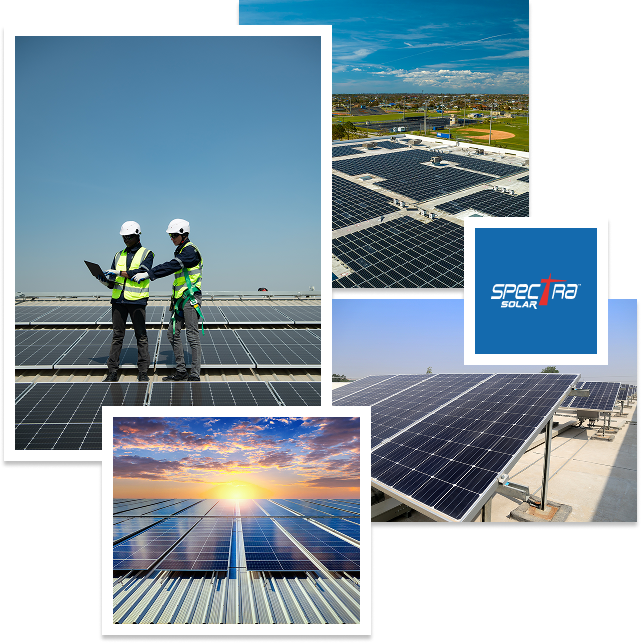
Installation Requirements for C&I Rooftops

Roof Structural Assessment
A standard commercial solar system adds approximately 15 kg per square metre of load on the roof. Our structural engineers assess your roof's load-bearing capacity before any system is designed, to ensure complete safety and compliance.

Type of Roof Surface
RCC terraces require hot-dip galvanised steel elevated mounting structures, particularly if the terrace continues to be used for other purposes. Metallic sheet or PEB roofs use lightweight aluminium rail clamping systems that are corrosion-resistant, low-load, and quick to install.

Slope, orientation, and tilt angle
Solar panels generate maximum output when facing South. The installation zone should be shadow-free between 9 AM and 4 PM. Our AI-assisted design software models your specific site geometry before finalising the layout.

Rooftop accessibility
Safe, direct access to the installation surface is required for material movement during installation and for ongoing maintenance visits. Post-commissioning, our AMC teams visit quarterly for cleaning and inspection.

Electrical infrastructure
Existing HT/LT panel configuration, transformer capacity, and grid connection point are assessed to determine the optimal inverter and switchgear design.

Zero Export
We provide zero export assistance till net metering is done so that there is no loses of energy.

DG Sync
We sync your DG with the solar so that solar can generate units without electricity.

Roof Structural Assessment
A standard commercial solar system adds approximately 15 kg per square metre of load on the roof. Our structural engineers assess your roof's load-bearing capacity before any system is designed, to ensure complete safety and compliance.
Roof Structural Assessment
A standard commercial solar system adds approximately 15 kg per square metre of load on the roof. Our structural engineers assess your roof's load-bearing capacity before any system is designed, to ensure complete safety and compliance.
Roof Structural Assessment
A standard commercial solar system adds approximately 15 kg per square metre of load on the roof. Our structural engineers assess your roof's load-bearing capacity before any system is designed, to ensure complete safety and compliance.
Roof Structural Assessment
A standard commercial solar system adds approximately 15 kg per square metre of load on the roof. Our structural engineers assess your roof's load-bearing capacity before any system is designed, to ensure complete safety and compliance.
Roof Structural Assessment
A standard commercial solar system adds approximately 15 kg per square metre of load on the roof. Our structural engineers assess your roof's load-bearing capacity before any system is designed, to ensure complete safety and compliance.
Industries We Serve
Commercial and industrial solar is not one-size-fits-all. Spectra Solar has designed and delivered systems across:
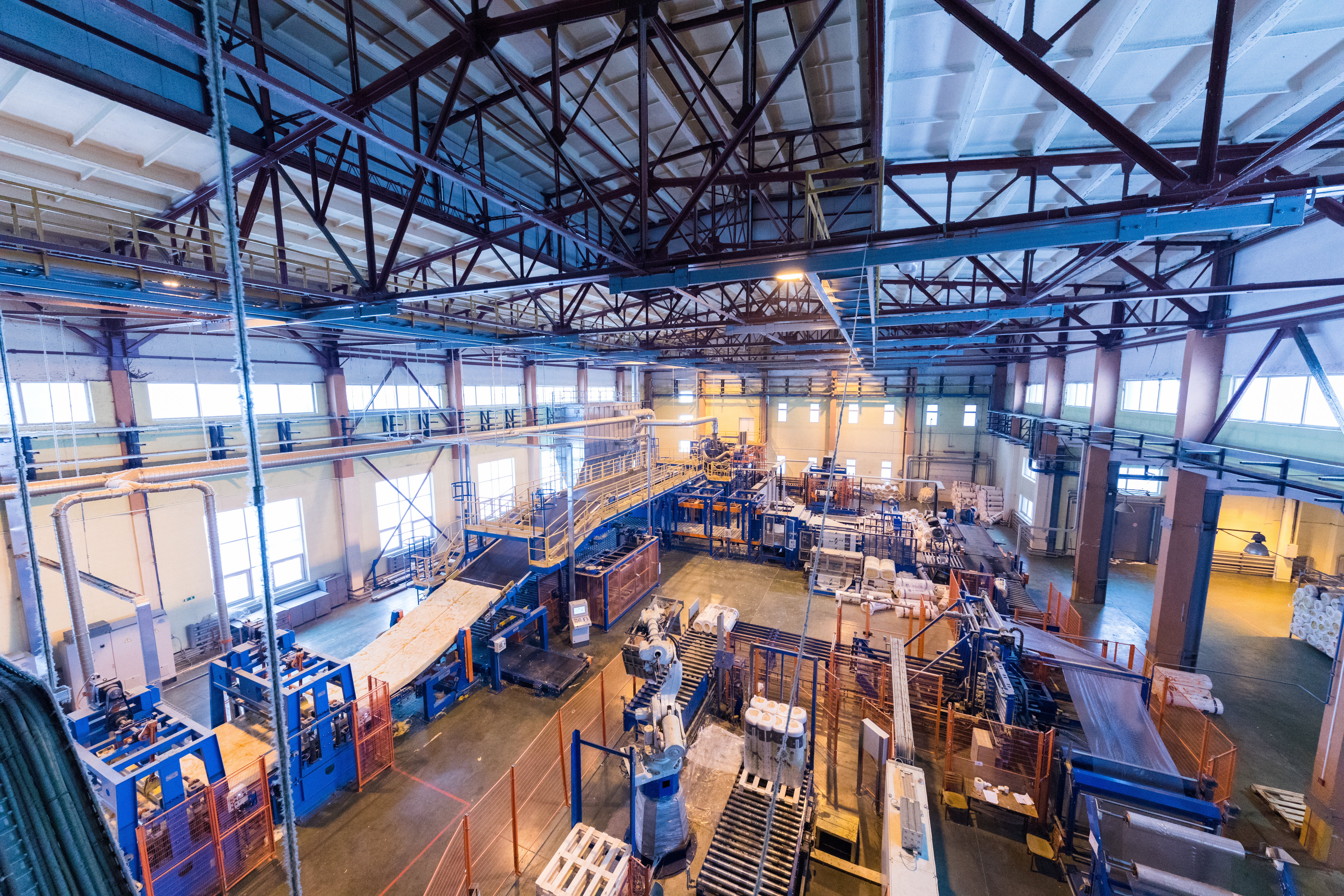

Manufacturing & Factories
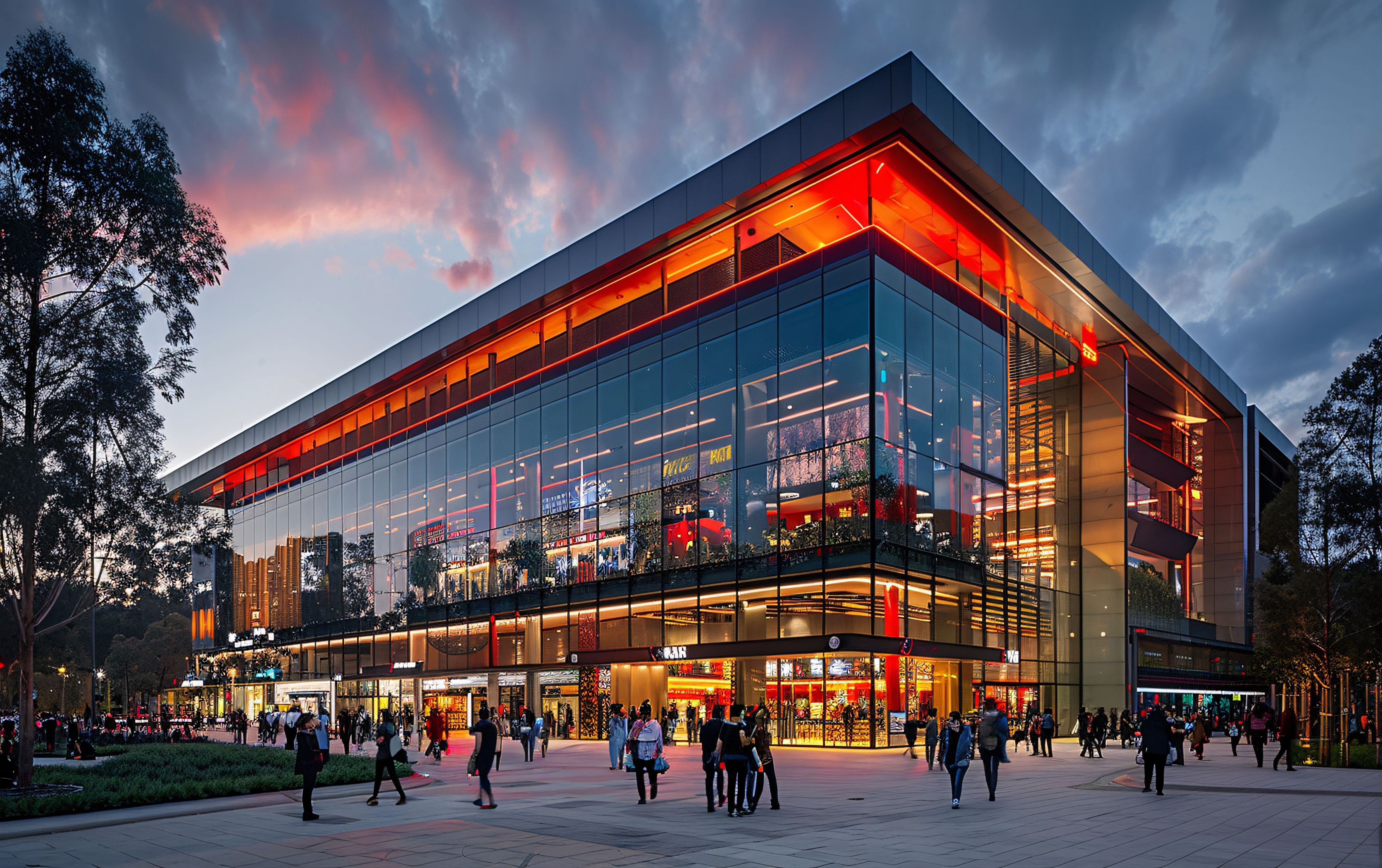

Malls & Retail Complexes
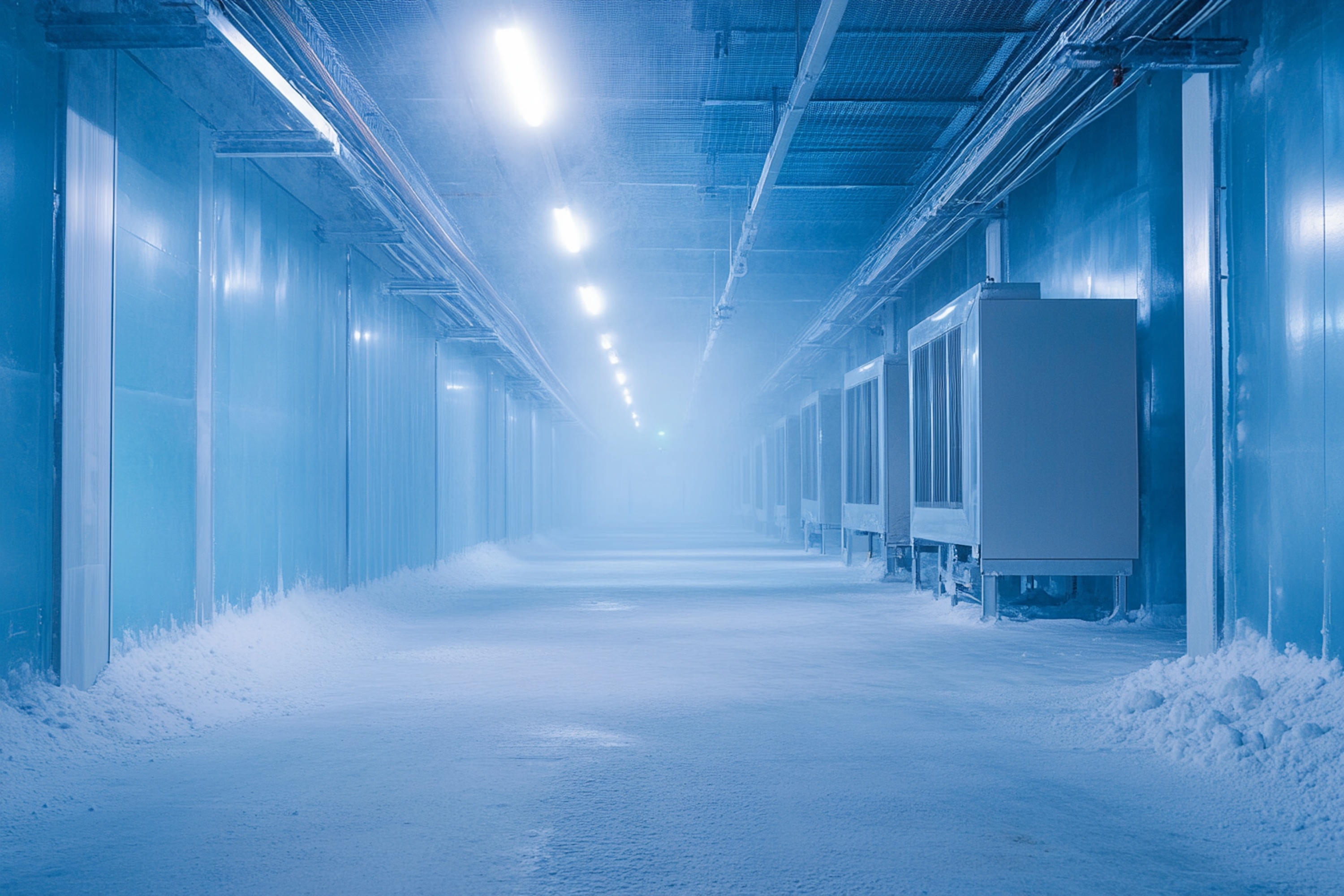

Cold Storage
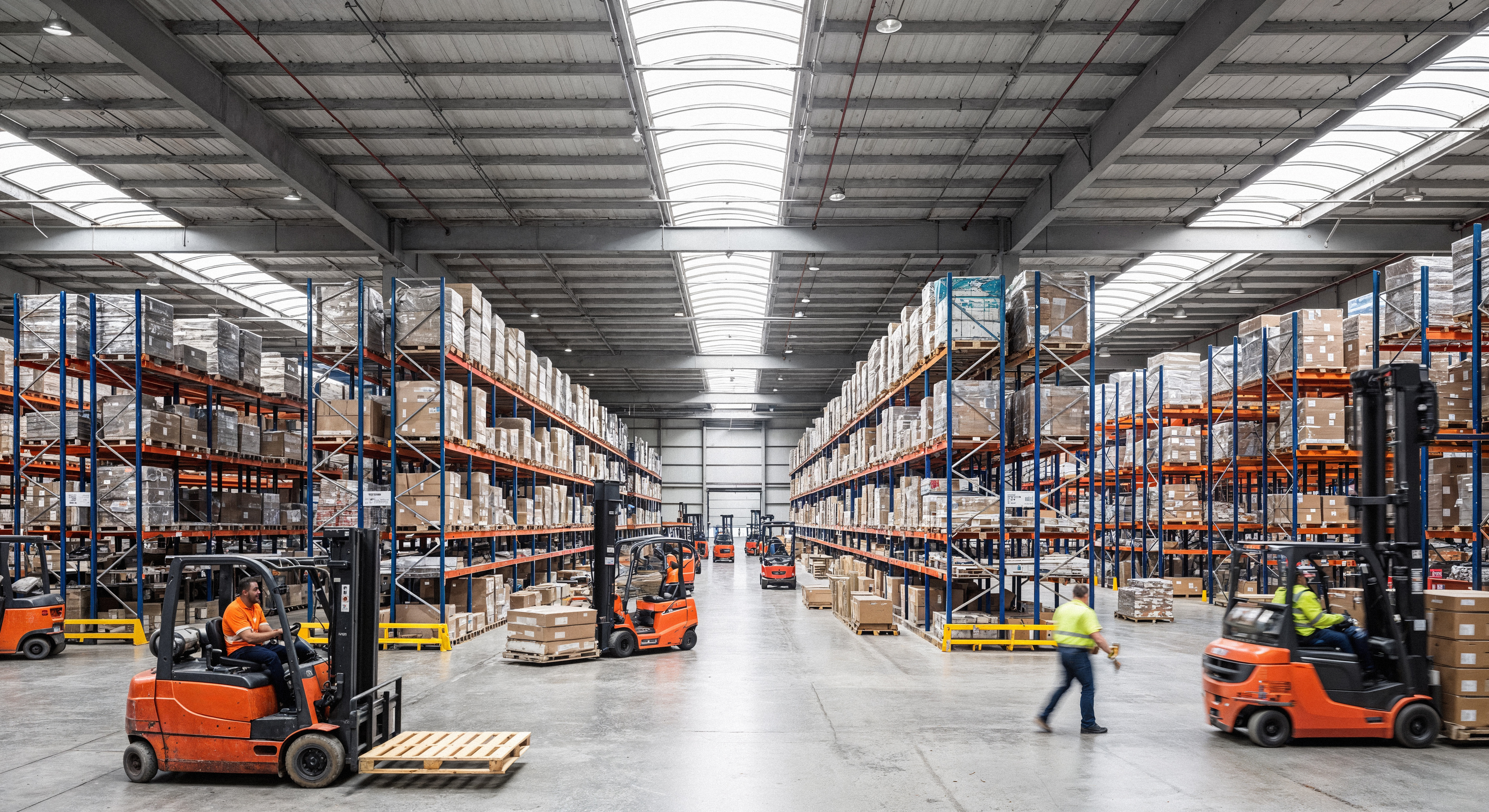

Warehouse & Logistics Parks
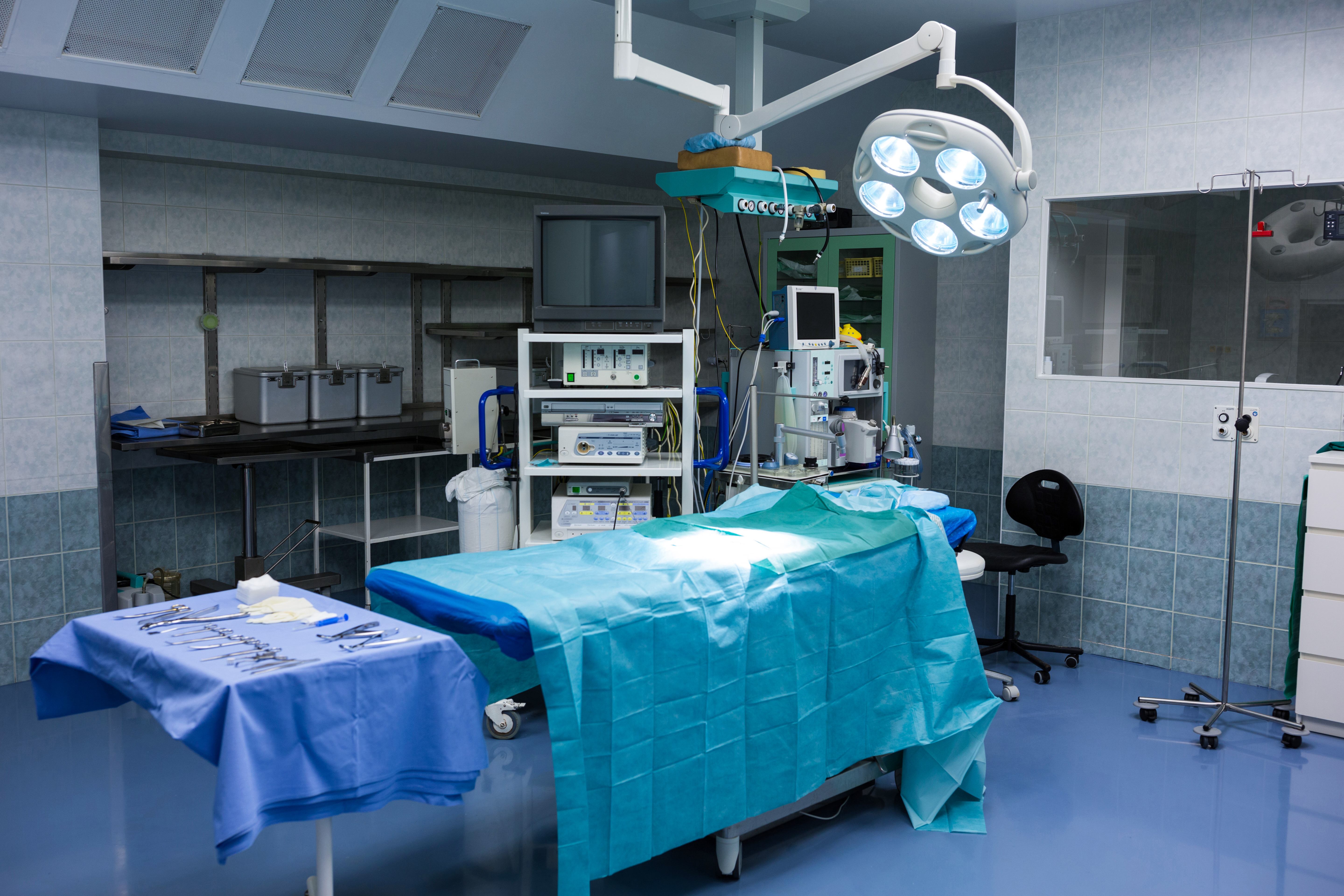

Hospital & Healthcare Facilities
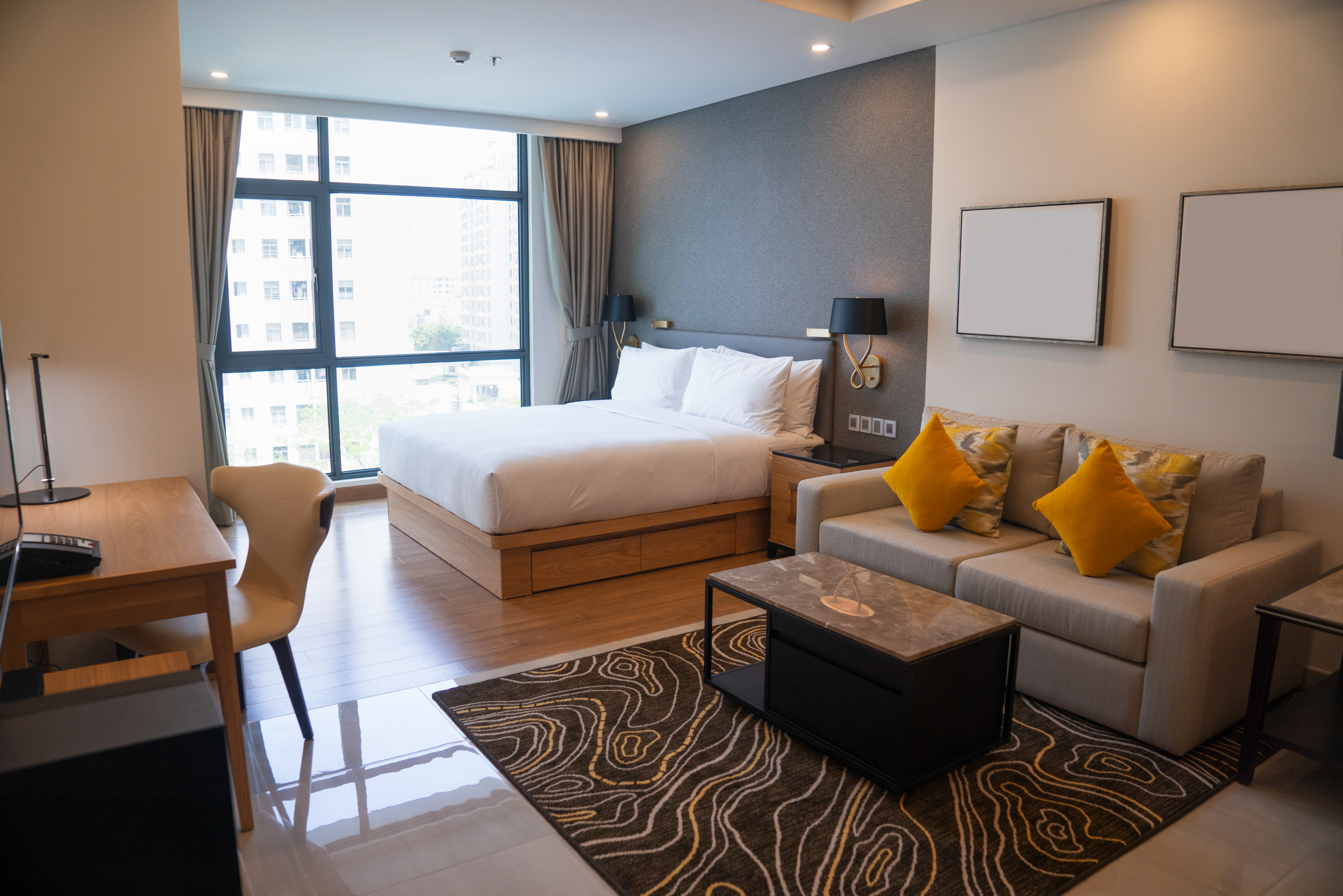

Hotels & Hospitality
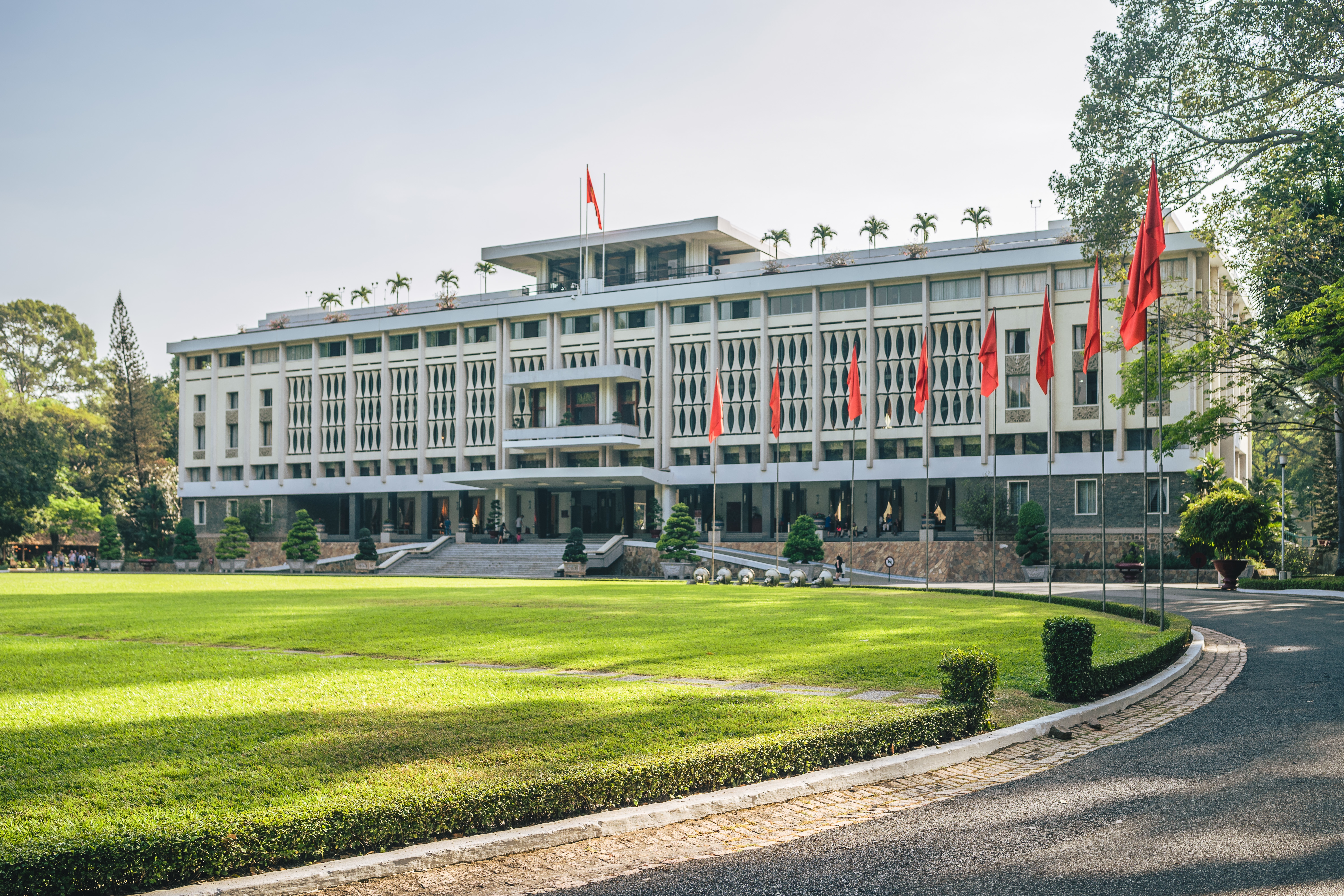

Education Institutes
How Does a Commercial Solar System Work?
A commercial solar installation is a carefully engineered stack of components. Each plays a specific role in converting sunlight into usable electricity for your business.
A commercial solar installation is a carefully engineered stack of components. Each plays a specific role in converting sunlight into usable electricity for your business.
- An array of solar panels — monocrystalline PERC, bifacial, or TOPCon — is installed at precisely calculated angles on your rooftop or ground surface.
- The photovoltaic cells in each panel absorb sunlight and convert it into direct current (DC).
- The DC current flows into a solar inverter — string, central, or hybrid — which converts it into alternating current (AC).
- The AC power is either fed into your building's electrical system directly or routed through a bi-directional net meter.
Spectra Solar installs two types of commercial solar configurations, depending on your load profile and grid connection:
With Net-Metering (On-Grid)
A bi-directional net meter connects your solar system to the DISCOM grid. During peak solar hours, excess power generated beyond your real-time consumption is exported to the grid and credited to your electricity bill. At night or during low generation, you draw power from the grid as usual — paying only for the net difference. This model is ideal for businesses with lower daytime power consumption.
Without Net-Metering (Captive/Behind the meter)
Large industrial and commercial facilities often consume all solar power in real time, eliminating the need for a net meter. The system directly offsets grid consumption and lowers electricity costs.
A 1 kW solar system requires around 100 sq. ft. of roof space and generates approximately 120 units per month. A 500 kW system can generate nearly 60,000 units monthly.
From 100 kW to 5 MW+
A 1 kW system needs ~100 sq ft of shadow-free roof and generates ~4 units/day. Scale the math for your scale.
Example:
A 500 kW system generates roughly 60,000 units/month of free electricity — enough to offset 80% of a mid-size manufacturing unit's daytime grid load.
| Capacity | Rooftop Area | Daily Generation | Monthly Units | Ideal For |
|---|---|---|---|---|
| 100 kW | ~10,000 sq ft | 400 units | ~12,000 units | Small factories, clinics |
| 500 kW | ~50,000 sq ft | 2,000 units | ~12,000 units | Mid-size manufacturing |
| 1 MW | ~1,00,000 sq ft | 4,000–5,000 units | ~12,000 units | Large industry, malls |
| 5 MW+ | Ground-mount | 20,000+ units | ~12,000 units | IPP, SEZ, industrial parks |
Technology & Components Used
Solar Panels
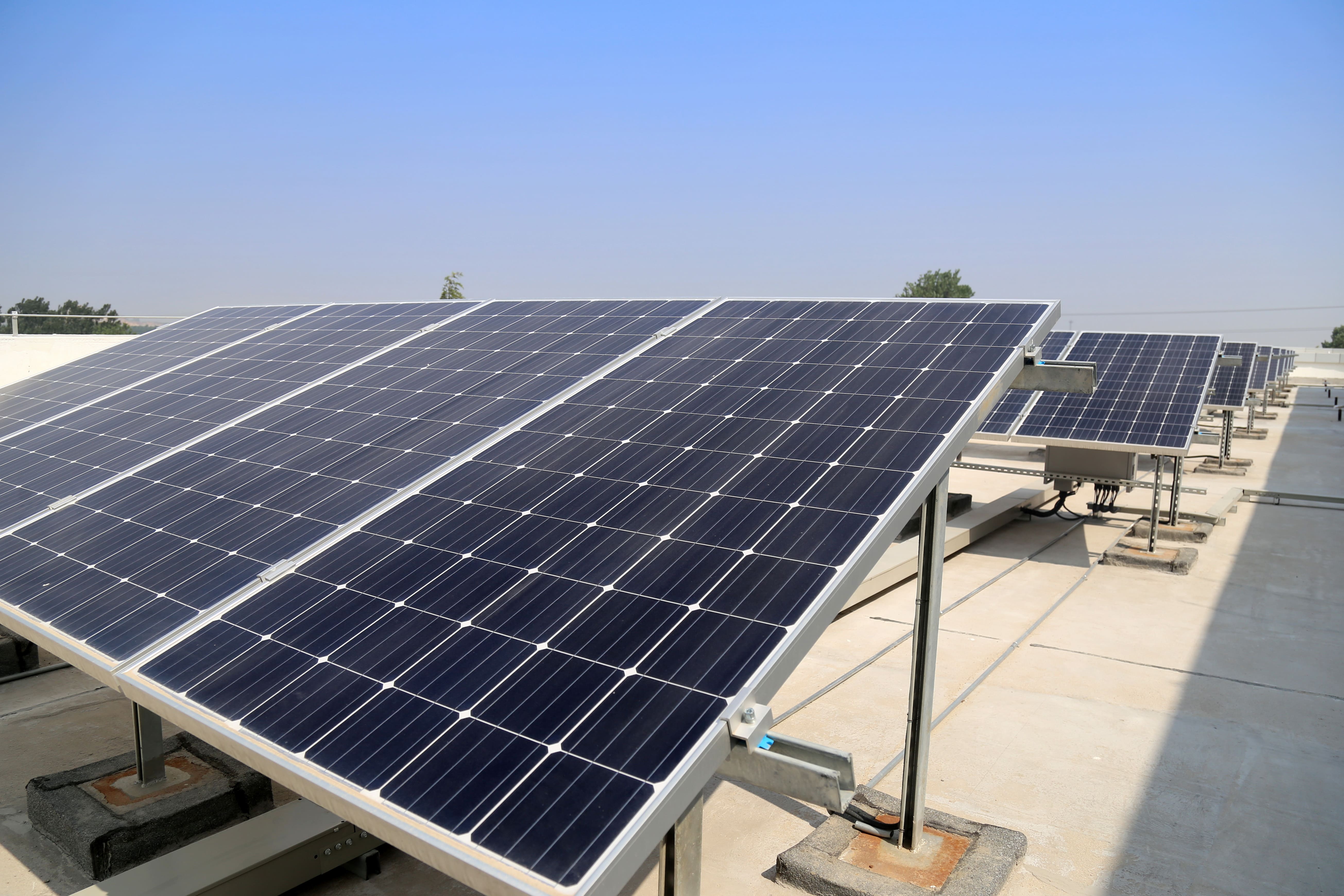
Monocrystalline PERC, Bifacial, and TOPCon modules from Tier-1 manufacturers. IEC 61215 and IEC 61730 certified. Performance-tested before dispatch. 25-year linear output warranty.
INVERTERS
String, central, and hybrid inverters from Sungrow, Solis, Solar Edge. Selected based on system size, grid configuration, and BESS compatibility.
MOUNTING STRUCTURES
Hot-dip galvanised steel (RCC roofs) and aluminium extrusion systems (sheet roofs). Designed for local wind zone and seismic load compliance.
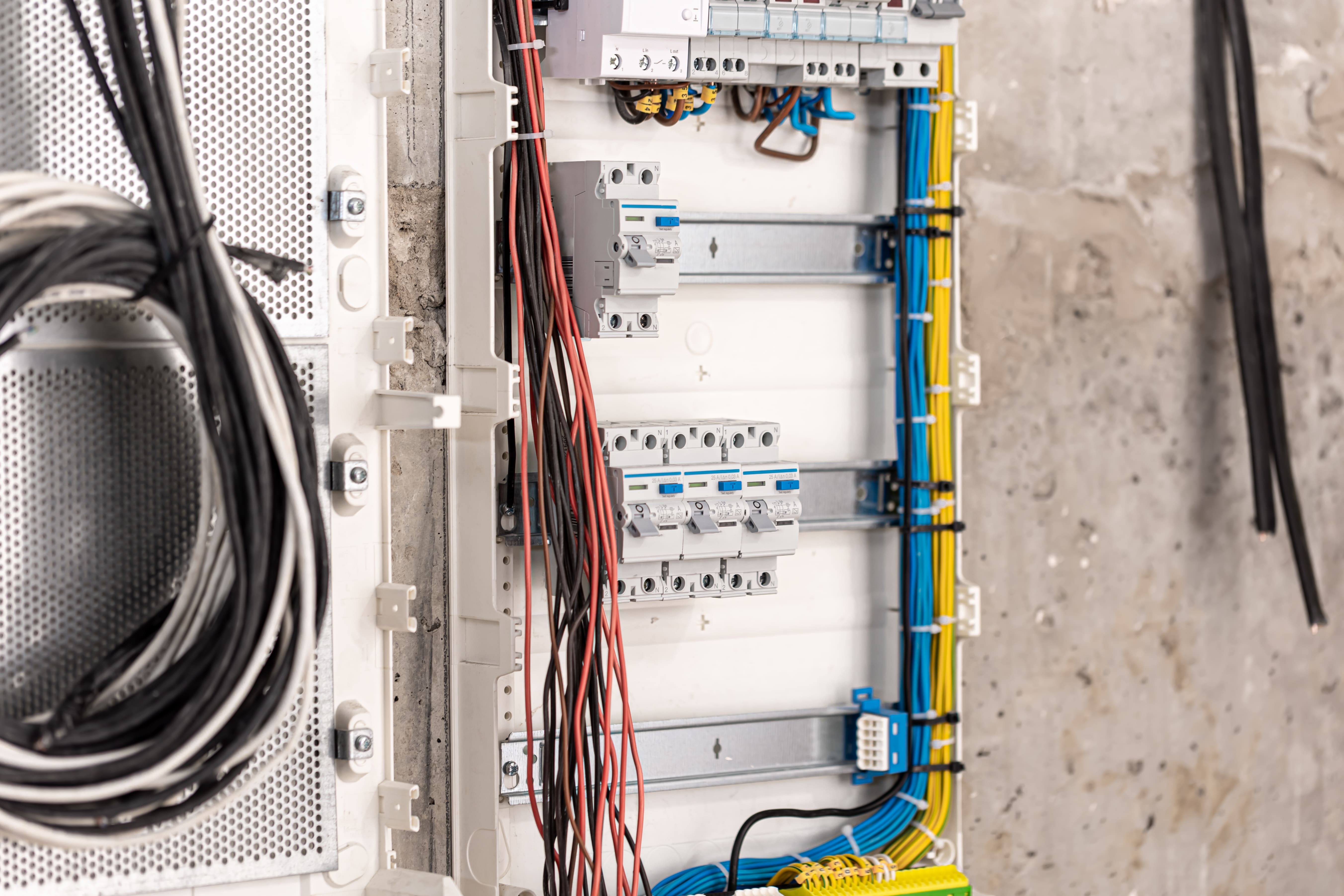
DC Cables & ac panels
UV-resistant, flame-retardant, IS/IEC compliant throughout.
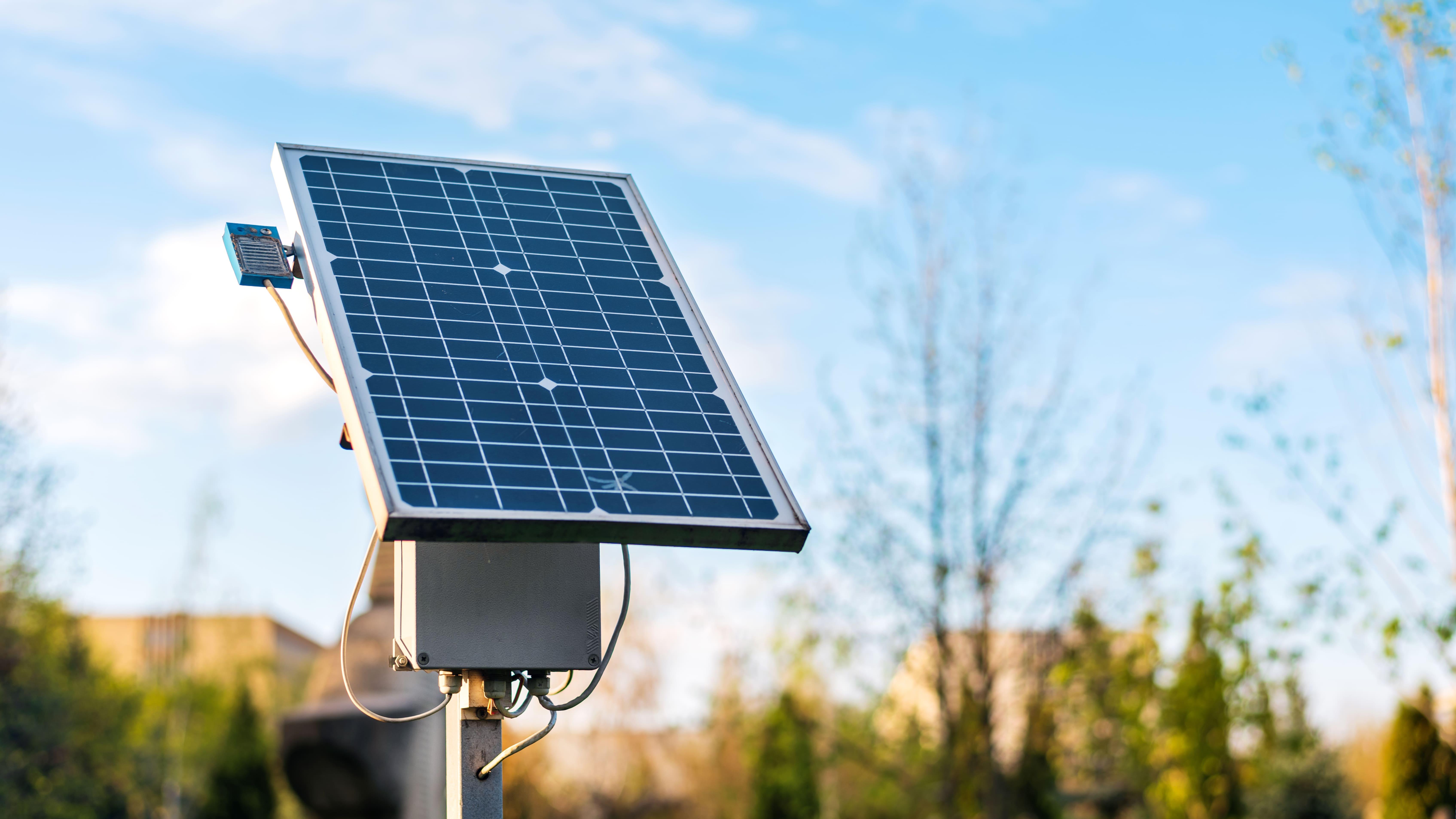
SCADA & Remote monitoring
Real-time IoT dashboard with plant-level and string-level analytics. Accessible via web and mobile. Integrated fault detection and alert system.
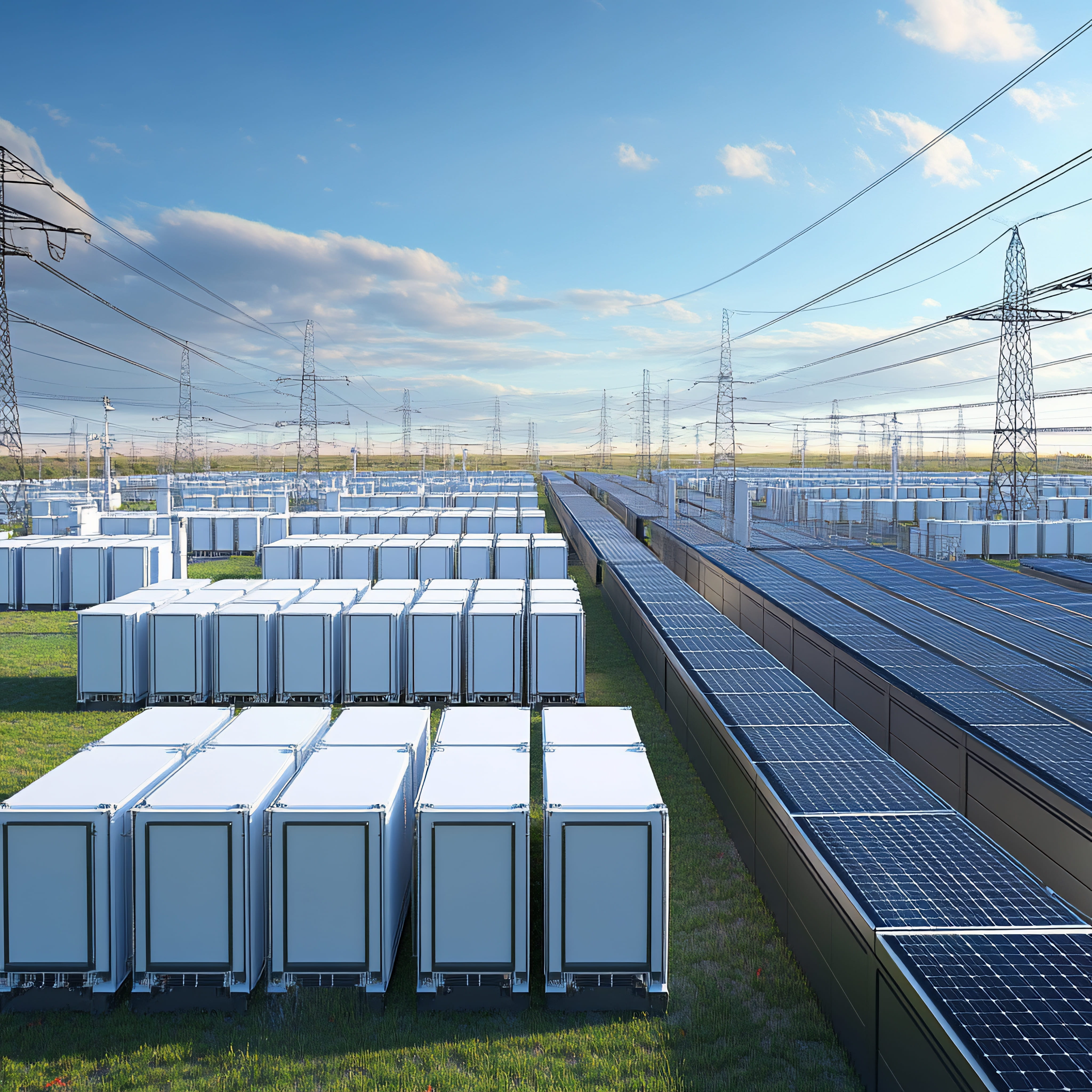
BATTERY ENERGY STORAGE (OPTIONAL)
LiFePO4 chemistry BESS for hybrid and off-grid configurations. Enables 24/7 clean energy delivery even without grid support.
COMMERCIAL SOLAR COST, SAVINGS & ROI
The business case for investing in clean commercial solar power systems has never been more compelling. Over the last decade, high-efficiency solar module prices have plunged by more than 80%, while commercial grid utility tariffs continue their steady upward climb. With diverse, flexible corporate financing options available, switching to solar protects your operating margins instantly.
Indicative cost and savings for a 1 MW industrial solar asset:
- System Cost (CAPEX): ₹4–5 Cr all-in for complete premium EPC and commissioning.
- Annual Generation: 14–16 Lakh units of highly predictable clean power output.
- Annual Savings: ₹70 Lakh–₹1.2 Cr by displacing costly commercial grid tariffs.
- Simple Payback: 4–6 Years to achieve full capital amortisation via utility savings.
- Post-Tax IRR: 15–18% internal rate of return, including 40% accelerated depreciation.
- 25-Year NPV: ₹8–₹15 Cr net present value added to your balance sheet per MW.

From Blueprint to Power
Site Assessment

Roof survey, shading analysis, and load feasibility study.
Custom Design

3D system layout, SLD, equipment selection, and yield planning.
Approvals

Net metering, DISCOM approvals, and permit coordination.
Procurement

Tier-1 solar components sourced and quality-checked.
Installation

Structure setup, panel mounting, cabling, and electrical integration.
Commissioning & AMC

System testing, SCADA activation, handover, and ongoing maintenance.
2M+ HAPPY CUSTOMERS. ACROSS HOMES & INDUSTRIES.








Quick answers to questions you may have
Can't find what you're looking for?
Contact us here:
info@spectratele.in
For standard commercial or manufacturing facilities utilising systems from premium solar EPC companies in India, the typical payback window lands between 3 to 5 years, depending directly on daytime operational load factors and local utility tariff slabs.
Yes. Our turnkey engineering delivery includes handling the entire bureaucratic lifecycle, from regional DISCOM application filing to structural net-metering approvals and direct state subsidy tracking.
Our standard Annual Maintenance Contract features scheduled structural checks, high-purity panel washing schedules, string performance diagnostics, and complete electrical balance-of-system safety testing.
Yes, we provide flexible financing structures, including customised OPEX arrangements details on our dedicated RESCO Model module, and strategic banking partnerships for low-interest CAPEX asset deployment.
We provide a standard 25-year linear performance guarantee on our premium photovoltaic modules, alongside comprehensive physical component warranties on high-tier grid-interactive inverters.
Absolutely. Our industrial setups are custom-engineered to balance heavy inductive starting current surges and deep load changes typical of continuous processing plants.

